Washing Cars in Bellevue
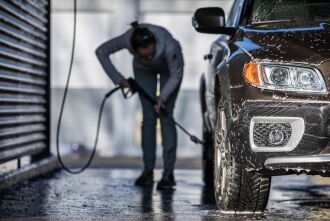
Washing your car at home can pollute our local streams and lakes. Before washing your car, or any vehicle, know how to do it responsibly.
How should I wash my car in Bellevue?


Anything that goes into storm drains flows unfiltered and untreated into our local streams which goes directly into Lake Sammamish and Lake Washington where we all swim, fish and play.
About biodegradable soaps
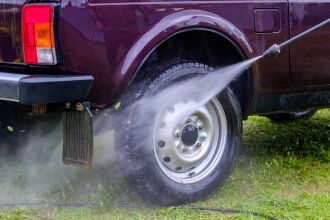
All soaps, even biodegradable soaps, affect our local water quality and harm aquatic life.
Biodegradable soaps, cleaners or anything labeled “biodegradable” is a scientific definition meaning the substance has been tested and will chemically degrade over time in soil - not water. The bacteria in soil interacts with biodegradable substances to chemically break down the bonds into a non-harmful form. Most biodegradable soaps take at least six months to biodegrade in soil. Soaps cannot biodegrade in water.
All soaps, including biodegradable soaps, dissolve the protective layers of fish and natural oils in the gills, making fish more susceptible to diseases. Soaps also lower the oxygen levels in water suffocating fish. Soaps in water also create the perfect conditions for algae blooms that cause local lake beach closures.
Car wash fundraising in Bellevue
In-person parking lot Car Wash Fundraisers are no longer recommended or supported by the City of Bellevue due to harmful soaps and cleaners which end up on our streets, in storm drains and our greater stormwater system. Any water and pollution on our city’s streets is washed into storm drains that lead directly to streams where water flows unfiltered into Lake Washington and Lake Sammamish.
Selling tickets to commercial car washes for Car Wash Fundraisers is a popular environmentally friendly alternative. Commercial car washes capture dirty wash water sending it through the sewer system where it’s treated at the wastewater treatment plant. Ticket sales can happen anytime of the year, and groups are not limited to a single day of fundraising.
Some local commercial car washes will sell bulk discounted tickets to select groups for fundraising use. Some hands-on bay car washes will allow a stall/bay rental for a fundraising day. Contact local car washing facilities directly for options.
What does the law say?
Bellevue Municipal Code 24.06.125 protects water quality for all of us with rules about keeping all types of pollution out of our storm drains and stormwater system. Including: petroleum products, including but not limited to oil, gasoline, grease, fuel oil and heating oil; chemicals; soaps, including biodegradable soaps, detergents, or ammonia; heated water; degreasers and/or solvents; chemicals not normally found in uncontaminated water.
Property owners, businesses, and/or responsible parties of code violations may be subject to enforcement and penalties per Bellevue Municipal Code 24.06.130.
What does this law mean?
This means it’s against the law to wash your vehicle and let the dirty soapy wash water run into the street, storm drains or stormwater system. In addition, you may be fined if you are polluting.
More car care for local clean streams and lakes


Report 24-hour emergencies and utilities maintenance
