Outdoor painting and pollution prevention
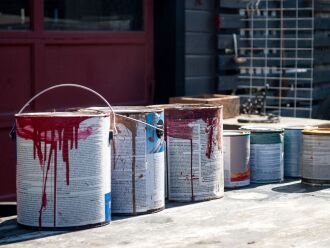
Spills and drips from using paints, solvents, thinners, and varnishes outside contain pollutants that are harmful to people, fish, and wildlife and can end up in our local streams and lakes.
Other activities associated with painting such as pressure washing, dry stripping/scraping and sand blasting can create paint debris that will pollute the area around your home and beyond when it rains.
Here’s how to stay safe when you paint, prepare to paint, and clean up outside:


Paint recycling and disposal
You’ve painted, now what do you do with the leftover paint? Liquid paint is considered Hazardous Waste and cannot go into your garbage. This is against the law. Here’s what you can do with paint:
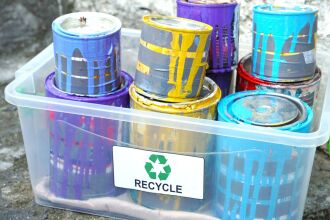
- Recycle Paint for FREE: Local paint stores accept open latex paint, varnishes, primers, stains and clear coats in their original cans with labels. Go to PaintCare.org to find a location near you. Over 4.6 million gallons of paint have been collected and recycled through the PaintCare.org program in Washington state as of 2026.
- Factoria Transfer Station Hazardous Waste: Drop off for FREE: All types of latex and oil-based paint, varnishes, primers and stains are accepted. Check Factoria Transfer Station hours.
- Dry It Out: If your paint can has an inch or less or paint left, you can dry it out and dispose of it in your garbage. Dry it by adding an absorbent material like paper scraps, sawdust, or cat litter. Leave it outside to dry completely, which may take days, before putting it in the trash.
- Store it: Paint can last for years if stored out of the heat and cold with a tight lid. Save money and keep it for future touch-ups or other projects. Label it clearly: color name and number, room/wall painted and date.
- Donate or Give it Away: Friends, neighbors, theater productions or other groups may need paint.
Paint smarter
Planning your project will save you money and reduce waste.

- Choose Latex Paint: Latex paint can be stored for future touch-ups and can also be recycled (for free!) keeping it out of hazardous waste landfills. Avoid oil-based paint because it has limited use, is the most toxic to you and the environment, and cannot be recycled. Visit PaintCare.org for planning and storage tips or to find a paint recycling location near you.
- Primer: Use a primer on new drywall, bare wood or when making a color change. Primer costs less than a mixed paint, provides adhesion and will reduce the amount of new paint needed.
- Color Test: Look at samples in outdoor and indoor light at different times of day. Buy a small sample size and paint a test section if you are unsure. Color mistakes are expensive and create wasted paint.
- Measure First: get the square footage you plan to paint.
- Surface: Textured surfaces require more paint.
- Buy Only What You Need: Read the coverage on paint cans or ask for a recommendation when you buy the paint.
What does the law say?
Bellevue Municipal Code 24.06.125 protects water quality for all of us with rules about keeping all types of pollution out of our storm drains and stormwater system including: paints, stains, resins, lacquers, or varnishes.
Property owners, businesses, and/or responsible parties of code violations may be subject to enforcement and penalties per Bellevue Municipal Code 24.06.130.
What does this law mean?
This means paint, paint wash water and paint chips from pressure washing or scraping, or stains, varnishes, etc., are not allowed on the ground or in Bellevue’s streets where they might wash down into the storm drains. This also means it is against the law to allow this type of pollution to leave your property where it may enter storm drains or the stormwater system.
In addition, you may be fined if you are polluting with paint or anything else.
Make a DYI Dry Spill Cleanup Kit
With a few disposable household items in one place most outdoor and indoor spills and household breaks are easy and fast to clean up. Never rinse an outdoor spill with water or use other cleaning chemicals because the spill will spread and end up in a storm drain.
Here’s what you need to make your own Dry Spill Cleanup Kit:
- Container: bucket or box to hold the supplies, which will later hold the trash from the spill
- Plastic Garbage Bag: line the bucket or container
- Gloves: disposable & waterproof like latex gloves or dishwashing gloves
- Absorbent Materials: such as paper towels, bag of sawdust, shredded paper, cat litter or scraps of cloth to soak up a liquid spill
- Cardboard: hand size pieces of cardboard to use as a dustpan or scoop – good for glass or for moving liquid
Place everything into a lined container. Keep a kit under the sink for indoor kitchen accidents and another outside with paint or chemicals for use during projects. If a spill occurs, you'll have everything you need to safely absorb it, scoop it up and get it into the trash quickly. Never use water or liquid to clean up a spill outside because that only spreads it.
Report 24-hour emergencies and utilities maintenance
