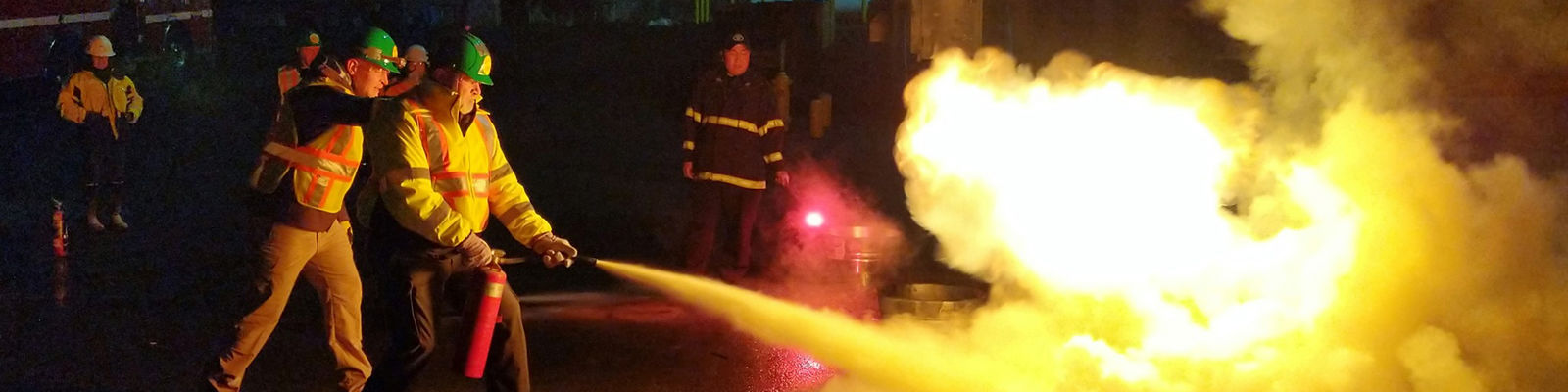
Planning is a critical step in the emergency management process that helps the City of Bellevue respond effectively in an incident or disaster. Bellevue takes an “all-hazards” approach to emergency planning, building frameworks that can be used to help city departments and community partners work together to prepare for, respond to, and recover from disasters in order to build a more resilient city.
Comprehensive Emergency Management Plan (CEMP)
The City of Bellevue’s Comprehensive Emergency Management Plan (CEMP) has been developed to provide guidance on key procedures, policies, and responsibilities pertaining to emergency management. The goal is to ensure staff and the Bellevue community can respond efficiently and effectively in the event of an emergency.
Hazard Mitigation Plan (HMP)
Mitigation is the act of reducing or avoiding the impacts of disasters, including risk to life and property. Mitigation can keep natural hazards from having catastrophic impacts, which helps communities recover more quickly after a disaster occurs. The City of Bellevue’s Hazard Mitigation Plan forms the foundation of the community’s long-term strategy to reduce losses caused by disasters and break the cycle of damage and reconstruction. The planning process allowed the city to identify hazards, assess risks, and develop mitigation strategies.
Disaster Debris Management Plan (DDMP)
The City of Bellevue’s Disaster Debris Management Plan (DDMP) provides guidance for how the City of Bellevue will efficiently manage materials and waste generated by natural or man-made disasters. Its primary goal is to expedite recovery, protect public health, and support public safety efforts by organizing debris removal, reduction, and disposal.