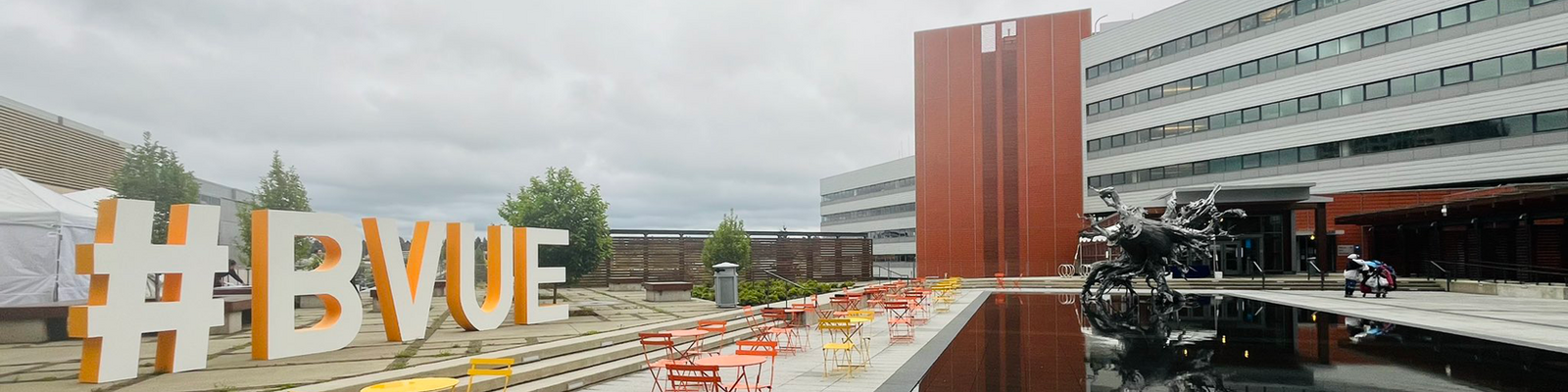
The first Civic Innovation Challenge launched in 2025, hosted by the City of Bellevue, to address civic challenges through design partnerships and proof of concept.
What we learned from the first Civic Innovation Challenge
The 2025-2026 proof of concept pilots provided inspiring examples of civic engagement and demonstrated how focused collaborations between innovators and civic design partners can generate practical insights, validate emerging technologies, and identify opportunities to improve civic services.
“The most meaningful part of the Civic Innovation Challenge was being able to collaborate with others to work on a real-world problem and see how ideas could turn into practical improvements. This program is a great opportunity for community members to contribute ideas and create meaningful improvements that support the community. Programs like this that bring people together are especially valuable.” - Civic Design Partner
Second Civic Innovation Challenge to launch

After a successful first round, we’re expanding the program in Round 2 with additional Exchange Northwest partners, stronger collaboration and new opportunities for innovators.
The City of Bellevue in partnership with the Exchange Northwest announced a second Challenge on October 14, 2026.
The Exchange Northwest anticipates awarding 4-6 recipients in the second event. The Civic Innovation Challenge brings together startups, public agencies and community partners to design and test practical solutions to real civic needs. Participants must be at least 18 years of age and authorized to sign a contract on behalf of themselves or their company.
Learn more about the second Civic Innovation Challenge and apply.
Selected participants receive:
Coaching and mentoring from seasoned entrepreneurs, advisors and investors.
Civic design partnership with City of Bellevue, King County, Washington State, and/or Bellevue College staff to help test, optimize and/or refine a product or service.
Opportunity to showcase solutions for a civic tech audience and build relationships across the innovation ecosystem.
Between $15,000 and $45,000 stipend. Stipends will depend on the complexity of the solution, whether they are applicable to more than one government or education partner and maturity of the product. Most solutions will likely receive a stipend at the lower end of the scale.